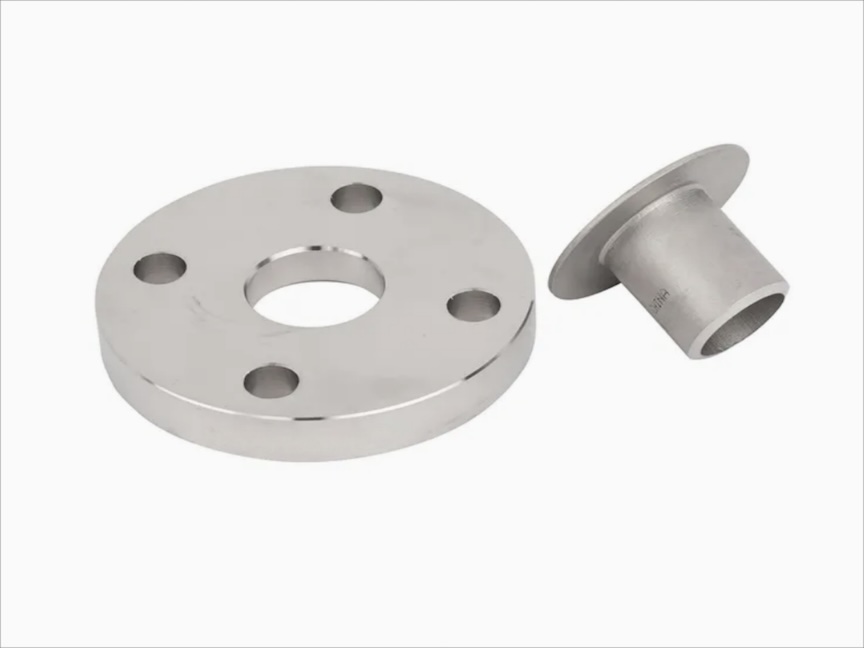
Lap Joint Flange | ASME B16.5 Lap Joint Pipe Flange with Stub End
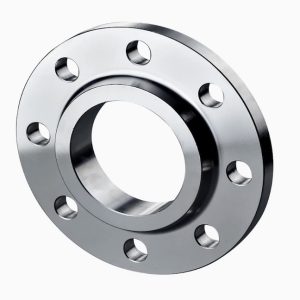
Lap Joint Flange (LJ Flange) is designed to work with a stub end fitting, allowing the flange to rotate freely for easy bolt alignment and installation.
Manufactured to ASME, DIN, EN, JIS and GOST standards,
lap joint flanges are widely used in oil & gas, chemical processing and industrial piping systems.
Lap Joint Flange | ASME B16.5 Lap Joint Pipe Flange with Stub End
What Is a Lap Joint Flange?
A Lap Joint Flange (LJ Flange) is a type of pipe flange used together with a stub end fitting. The flange itself is not welded directly to the pipe but instead slides over the pipe and rotates freely around the stub end.
The pipe is first welded to the stub end, and then the lap joint flange acts as a backing flange to complete the bolted connection.
Because the flange can rotate freely, bolt hole alignment becomes much easier, especially in large piping systems. This design makes lap joint flanges particularly convenient for frequent maintenance, inspection, and disassembly.
Lap joint flanges are commonly used in industries such as:
-
Oil and gas pipelines
-
Chemical processing plants
-
Water treatment systems
-
Power generation facilities
Lap Joint Flange Specifications
Manufacturing Standards
Lap joint flanges can be manufactured according to major international standards:
-
ASME B16.5 – American pipe flange standard
-
EN 1092-1 – European flange standard
-
DIN – German flange standard
-
JIS B2220 – Japanese flange standard
-
GOST – Russian flange standard
Materials
Lap joint flanges are available in various materials depending on pipeline requirements.
Carbon Steel
-
ASTM A105
-
ASTM A350 LF2
Stainless Steel
-
ASTM A182 F304 / F304L
-
ASTM A182 F316 / F316L
-
ASTM A182 F321
Alloy Steel
-
ASTM A182 F1
-
ASTM A182 F5
-
ASTM A182 F9
-
ASTM A182 F11
-
ASTM A182 F22
-
ASTM A182 F91
Size Range
Common sizes:
1/2″ – 24″
Custom sizes available for larger pipeline systems.
Wall Thickness
Schedule options:
-
SCH 10
-
SCH 40
-
SCH 160
Working Environment and Applications
Lap joint flanges are generally used in low-pressure piping systems where frequent disassembly is required.
Typical applications include:
-
Piping systems requiring regular maintenance
-
Systems using expensive corrosion-resistant materials
-
Plastic-lined or glass-lined pipelines
-
Chemical processing pipelines
Because the flange does not contact the process fluid directly, carbon steel flanges can be used with stainless steel or alloy stub ends, significantly reducing material costs.
Stub End – Key Fitting for Lap Joint Flange
A stub end is always used together with a lap joint flange. It is welded directly to the pipe and provides the sealing surface for the flange connection.
There are three common types of stub ends:
Type A Stub End
Designed to match standard lap joint flanges and commonly used in piping systems.
Type B Stub End
Typically used together with standard slip-on flanges.
Type C Stub End
Compatible with both lap joint flanges and slip-on flanges.
Stub ends are available in long pattern and short pattern designs.
-
Long pattern stub ends are often referred to as ASA stub ends.
-
Short pattern stub ends are commonly used with ANSI Class 300 and Class 600 flanges.
Benefits of Lap Joint Flanges
Easy Installation
Lap joint flanges can rotate around the stub end, making bolt hole alignment easier during installation.
Convenient Maintenance
The flange can be easily removed when pipelines require inspection, cleaning, or replacement.
Cost Reduction
When using expensive materials such as stainless steel or alloy steel pipes, the stub end can be made from corrosion-resistant material while the flange itself can be carbon steel, reducing overall costs.
Reusable Components
In corrosive systems, the flange can often be reused, while only the stub end may need replacement.
Lap Joint Flange vs Slip On Flange
Although lap joint flanges look similar to slip-on flanges, there are important differences.
| Feature | Lap Joint Flange | Slip On Flange |
|---|---|---|
| Pipe Connection | Used with stub end | Welded directly to pipe |
| Rotation | Rotates freely | Fixed position |
| Bolt Alignment | Easy | Moderate |
| Cost Efficiency | High with expensive materials | Standard |
| Application | Frequent maintenance systems | General piping |
The backside of a lap joint flange includes a curved radius bore, specifically designed to accommodate the stub end connection.
In some configurations, Type B or Type C stub ends allow a slip-on flange to function similarly to a lap joint flange.
We are a professional manufacturer and exporter of Lap Joint Flanges and Stub End fittings for industrial piping systems worldwide.
Our advantages include:
-
Multiple international standards (ASME, DIN, EN, JIS, GOST)
-
Wide range of materials and sizes
-
Strict quality inspection
-
Competitive factory prices
-
Export-ready packaging
All flanges are supplied with EN 10204 3.1 Mill Test Certificate.
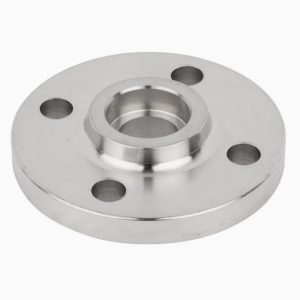
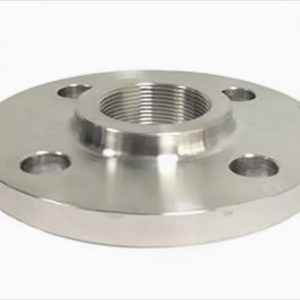
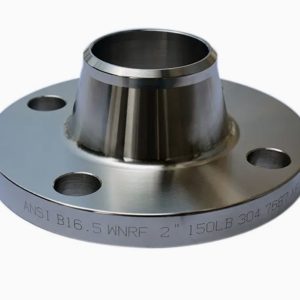
Our flange product range includes weld neck flanges, slip on flanges, blind flanges, socket weld flanges, threaded flanges and lap joint flanges for industrial piping systems.