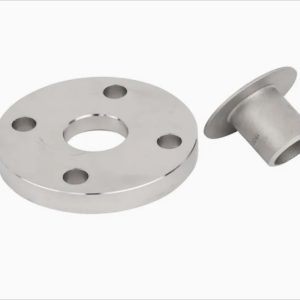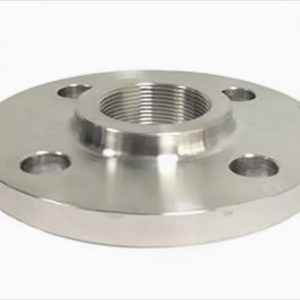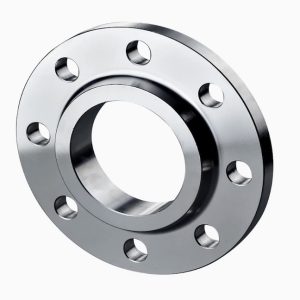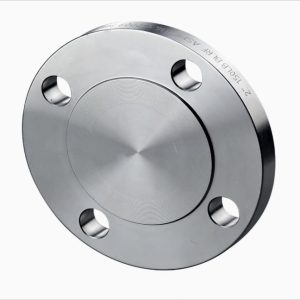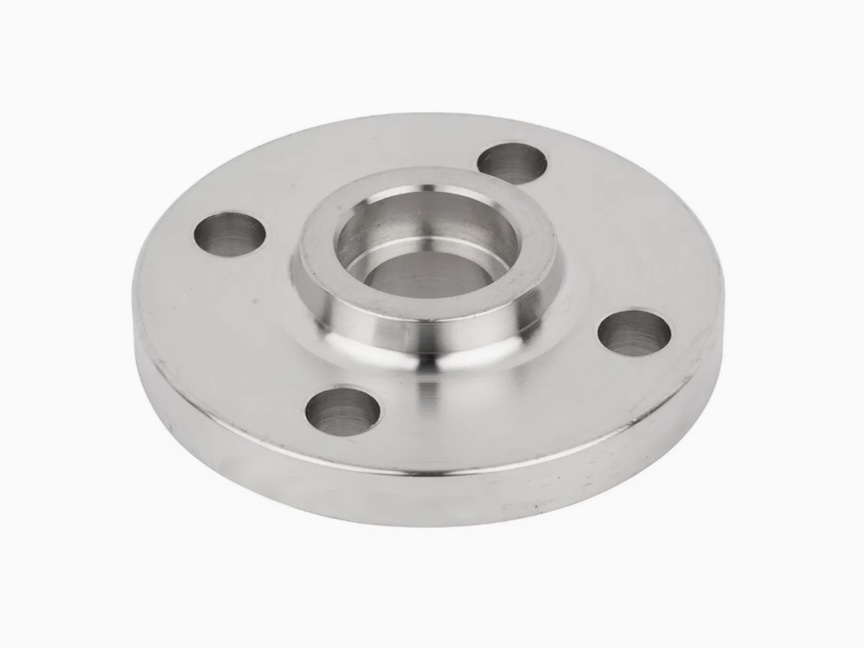
Socket Weld Flange (SW Flange) Socket Welding Pipe Flange
Socket Weld Flange (SW Flange) is designed for small diameter high-pressure piping systems.
1/2″ – 4″
Manufactured to ASME B16.5, DIN, EN, JIS and GOST standards, it is widely used in oil & gas, petrochemical and power plant pipelines.
Socket Weld Flange (SW Flange) Socket Welding Pipe Flange
What Is a Socket Weld Flange?
A Socket Weld Flange (SW Flange) is a type of pipe flange designed with a recessed socket or shoulder inside the flange bore, allowing the pipe to be inserted before welding. This design helps ensure proper pipe alignment and welding depth.
Socket weld flanges are typically used in high-pressure, small-diameter piping systems, providing strong structural integrity and reliable sealing.
They are commonly used in industries such as:
-
Oil and gas pipelines
-
Chemical processing plants
-
Power generation systems
-
Steam and boiler piping
-
High-pressure hydraulic systems
Socket Weld Flange Specifications
Standards
Socket weld flanges are manufactured according to major international flange standards:
-
ASME B16.5 – Pipe Flanges and Flanged Fittings
-
DIN – German flange standards
-
EN 1092-1 – European flange standard
-
JIS B2220 – Japanese flange standard
-
GOST – Russian flange standard
Materials
Carbon Steel
-
ASTM A105
-
ASTM A350 LF1 / LF2
-
ASTM A181
Alloy Steel
-
ASTM A182 F5
-
ASTM A182 F9
-
ASTM A182 F11
-
ASTM A182 F22
-
ASTM A182 F91
Stainless Steel
-
ASTM A182 F304 / F304L
-
ASTM A182 F316 / F316L
Size Range
Standard Sizes
1/2″ – 4″
Pressure Ratings
-
Class 150
-
Class 300
-
Class 400
-
Class 600
-
Class 900
-
Class 1500
-
Class 2500
Wall Thickness
Schedule
SCH 40 – SCH 160
Flange Face Types
Socket weld flanges are available with different sealing surfaces:
-
RF – Raised Face
-
RTJ – Ring Type Joint
How to Install a Socket Weld Flange
Socket weld flanges are installed by inserting the pipe into the socket bore of the flange.
Installation procedure:
-
Insert the pipe end into the socket weld flange until it touches the internal shoulder.
-
Pull the pipe back approximately 1.6 mm (1/16 inch) to allow for thermal expansion.
-
Perform fillet welding around the outside of the flange to secure the connection.
This small expansion gap prevents stress buildup caused by thermal expansion during operation.
Socket Weld Flange Face Types
RF Socket Weld Flange
A Raised Face (RF) socket weld flange features a small raised sealing area around the flange bore. A gasket is placed on this raised surface to ensure proper sealing.
RF flanges are commonly used in medium-pressure industrial piping systems.
RTJ Socket Weld Flange
An RTJ (Ring Type Joint) socket weld flange includes a machined groove designed to hold a metal ring gasket.
RTJ flanges are typically used in:
-
High pressure pipelines
-
High temperature applications
-
Oil and gas production systems
Advantages of Socket Weld Flanges
-
Ideal for small diameter high-pressure pipelines
-
Strong connection due to socket welding design
-
No need for pipe beveling before welding
-
Welding performed outside the pipe, preventing internal weld contamination
-
Higher fatigue strength compared with slip-on flanges
Disadvantages of Socket Weld Flanges
-
Requires skilled welding to maintain correct 1/16″ expansion gap
-
Crevice between pipe and socket may cause corrosion in aggressive environments
-
Not recommended for corrosive or radioactive fluids
-
Butt weld connections may be preferred for critical systems
Socket Weld Flange vs Slip On Flange
| Feature | Socket Weld Flange | Slip On Flange |
|---|---|---|
| Internal Shoulder | Yes | No |
| Welding Type | Single fillet weld | Double fillet weld |
| Pressure Strength | High | Moderate |
| Fatigue Strength | Higher | Lower |
| Typical Application | High pressure small pipes | Low to medium pressure systems |
Socket weld flanges have similar static strength to slip-on flanges, but their fatigue strength can be up to 50% higher.
Socket Weld Flange Supplier
We are a professional manufacturer and exporter of Socket Weld Flanges (SW Flanges) for global industrial piping systems.
Our advantages include:
-
Multiple international standards (ASME, DIN, EN, JIS, GOST)
-
Wide range of materials and sizes
-
Strict quality inspection
-
Competitive factory prices
-
Export-ready packaging
All flanges are supplied with EN 10204 3.1 Mill Test Certificate.