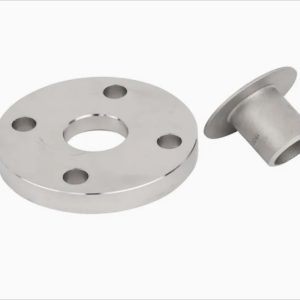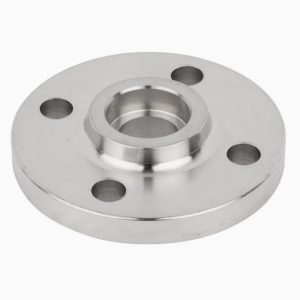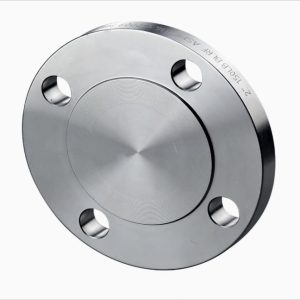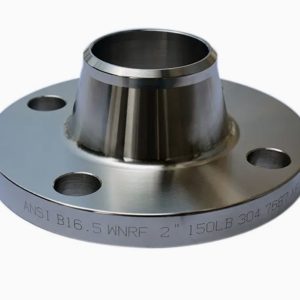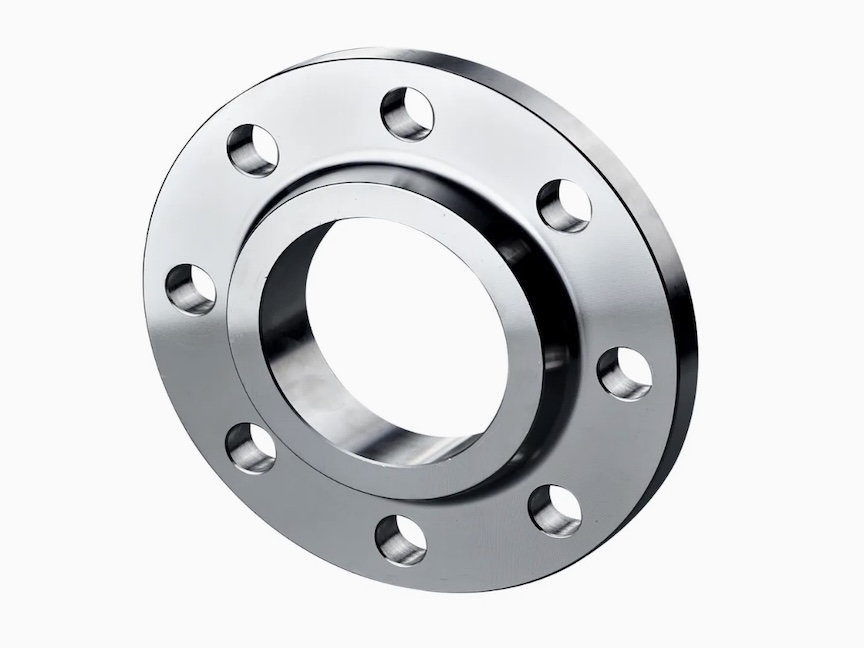
Slip On Flanges
Slip On Flange (SO Flange) manufactured to ASME B16.5,EN 1092-1 type 01,GOST 33259 / GOST 12820,available in carbon steel, stainless steel and alloy steel. Sizes from 1/2″ to 60″, pressure ratings Class 150–2500, suitable for oil, gas and industrial piping systems
Slip On Flange (SO Flange) | Raised Face & RTJ Slip On Pipe Flanges
What Is a Slip On Flange?
A Slip On Flange (SO Flange) is a type of pipe flange designed to slide over the end of a pipe before welding. The internal diameter of the flange is slightly larger than the outside diameter of the pipe, allowing the flange to easily slip onto the pipe before welding.
After positioning, the flange is fillet welded both inside and outside to ensure a secure connection and proper sealing.
Slip-on flanges are widely used in low to medium pressure piping systems because of their easy installation, cost-effectiveness, and reliable performance.
Common industries using SO flanges include:
-
Oil and gas pipelines
-
Chemical processing plants
-
Water treatment systems
-
Power plants
-
Petrochemical facilities
Key Features of Slip On Flanges
Simple Design
Slip-on flanges feature a flat face design and are installed by sliding the flange over the pipe before welding.
Easy Installation
Because the flange slides over the pipe, installation is easier compared with other flange types such as weld neck flanges, which require precise alignment.
Cost-Effective
Slip-on flanges are typically less expensive than weld neck flanges, making them a popular choice for many piping systems.
Reliable Sealing
With both internal and external welds, slip-on flanges provide reliable sealing performance for low and medium pressure applications.
Wide Material Options
Slip-on flanges can be manufactured from a wide range of materials including:
-
Carbon steel
-
Stainless steel
-
Alloy steel
Slip On Flange Specifications
Manufacturing Standards
-
ASME B16.5 – American Standard Pipe Flanges
-
EN 1092-1 – European Standard Steel Flanges
-
DIN – German Standard Flanges (DIN 2576 / DIN 2633 / DIN 2635 / DIN 2642)
-
JIS B2220 – Japanese Industrial Standard Flanges
-
GOST 33259 / GOST 12820 – Russian Standard Pipe Flanges
Materials
-
Carbon Steel: ASTM A105, A350 LF2
-
Stainless Steel: ASTM A182 F304, F304L, F316, F316L
-
Alloy Steel: ASTM A182 F11, F22
Size Range
-
Standard Size: 1/2″ – 24″
-
Custom Size: Up to 60″
Pressure Rating
ASME Standard
-
Class 150
-
Class 300
-
Class 600
-
Class 900
-
Class 1500
-
Class 2500
EN / DIN Standard
-
PN6
-
PN10
-
PN16
-
PN25
-
PN40
-
PN63
-
PN100
JIS Standard
-
5K
-
10K
-
16K
-
20K
GOST Standard
-
PN10
-
PN16
-
PN25
-
PN40
Types of Slip On Flanges
Raised Face Slip On Flange (RF)
A Raised Face Slip On Flange includes a small raised area on the flange face where the gasket is installed. This design improves sealing performance for most industrial piping systems.
As the pressure rating increases, the height of the raised face also increases.
RTJ Slip On Flange (Ring Type Joint)
An RTJ Slip On Flange contains a precision-machined groove designed to hold a metal ring gasket.
This type of flange is typically used in:
-
High pressure systems
-
High temperature pipelines
-
Oil and gas applications
Compared with RF flanges, RTJ flanges provide stronger sealing performance.
Manufacturing Methods
Slip-on flanges can be produced using several manufacturing methods:
-
Forging
-
Steel plate cutting
-
Casting
Among these processes, forged slip-on flanges provide the highest quality and strength, and are the most commonly used in industrial piping systems.
Advantages of Slip On Flanges
-
Lower installation costs
-
Easy pipe alignment during installation
-
Suitable for low and medium pressure systems
-
Inner and outer welding improves sealing
-
Faster installation compared with some other flange types
Slip On Flange vs Weld Neck Flange
Slip-on flanges and weld neck flanges are both widely used in piping systems, but they differ in strength and application.
| Feature | Slip On Flange | Weld Neck Flange |
|---|---|---|
| Strength | Lower | Higher |
| Installation | Easier | Requires precise alignment |
| Cost | Lower | Higher |
| Welding | Fillet weld inside and outside | Butt weld |
| Applications | Low to medium pressure | High pressure and critical systems |
The internal pressure strength of a Slip On Flange is approximately two-thirds that of a Weld Neck Flange, and its service life is typically shorter.
Slip On Flange Applications
Slip-on flanges are widely used in various industrial piping systems, including:
Oil and Gas Industry
-
Pipeline connections
-
Refinery piping systems
Water Treatment Plants
-
Water supply pipelines
-
Pump and valve connections
Chemical Processing
-
Chemical transport pipelines
-
Process piping systems
Power Generation
-
Cooling water systems
-
Steam pipelines
Slip On Flange Supplier
We are a professional manufacturer and exporter of Slip On Flanges (SO Flanges) for global industries.
Our supply advantages include:
-
Wide range of materials and sizes
-
Strict quality inspection
-
Competitive factory pricing
-
Custom flange manufacturing
-
Global export packaging
All products are supplied with EN 10204 3.1 Mill Test Certificate.
FAQ – Slip On Flange
What is a slip on flange?
A Slip On Flange (SO flange) is a pipe flange that slides over the pipe and is welded inside and outside to secure the connection.
What is the difference between slip on flange and weld neck flange?
Slip-on flanges are easier and cheaper to install, but weld neck flanges provide higher strength and better performance in high-pressure systems.
Where are slip on flanges used?
Slip-on flanges are commonly used in low to medium pressure piping systems such as water pipelines, oil pipelines, and chemical processing systems.